Free Drain Cleaning with Jolly Home Plan


4.8 Google Rating
Why Is Your Cincinnati Furnace Blowing Cold Air During a Winter Freeze?

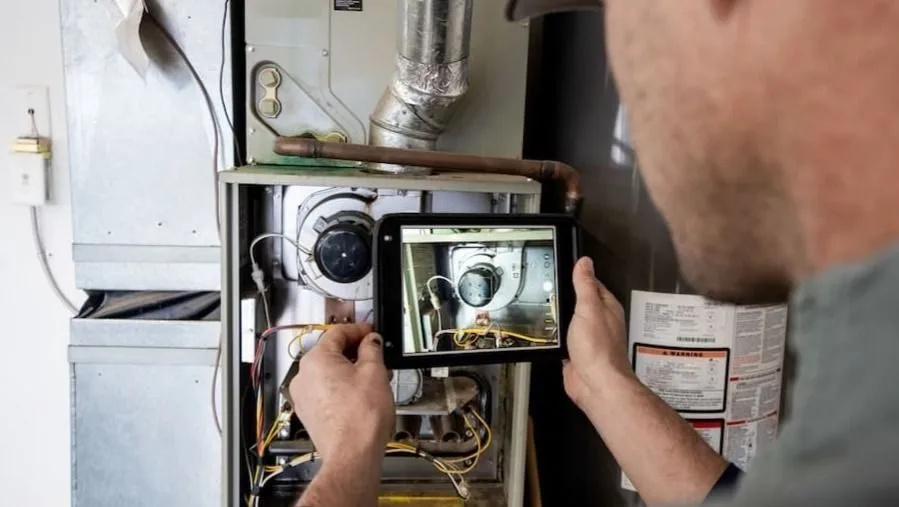
When freezing temperatures settle over Cincinnati, the last thing you want is a furnace that blows cold air instead of keeping your home warm. Whether you’re dealing with chilly rooms, inconsistent heating, or a system that runs continuously without producing heat, furnace problems can quickly become frustrating during an Ohio winter.
For homeowners throughout Greater Cincinnati, including Anderson Township, Hyde Park, Oakley, and West Chester, a malfunctioning furnace can create more than uncomfortable living conditions. Extended heating outages during freezing weather may also increase the risk of frozen plumbing and other household problems.
In this guide, we’ll explain why your Cincinnati furnace may be blowing cold air, what you can safely check yourself, and when it’s time to schedule professional furnace repair.
Is It Normal for a Furnace to Blow Cold Air Sometimes?
Not every instance of cool air coming from your heating vents indicates a serious furnace problem. Depending on your system’s design, you may notice brief periods of cooler airflow during normal heating cycles.
For example, some furnaces circulate air briefly after the burners shut off to distribute remaining heat. If your thermostat fan is set to ON instead of AUTO, the blower may also run continuously, even when the furnace isn’t actively heating.
However, there is an important difference between occasional cool airflow and a furnace that consistently fails to produce heat.
Signs that cold airflow may indicate a problem include:
-
Air from your vents remains cold throughout the heating cycle.
-
Your thermostat temperature keeps dropping even when the furnace is running.
-
The furnace repeatedly starts and stops without warming your home.
-
Your heating system runs for extended periods without reaching the desired temperature.
-
You hear unusual noises or notice repeated shutdowns.
If your furnace consistently blows cold air while the thermostat calls for heat, something may be preventing it from operating correctly.
Why Is Your Furnace Running but Not Heating Your Home?
A furnace that runs without producing heat may have problems involving its thermostat, airflow, ignition system, or internal safety controls.
Understanding the potential causes can help you recognize when you need professional heating repair.
Common reasons a furnace blows cold air include:
-
Incorrect thermostat settings: A thermostat set to FAN ON may circulate air even when the furnace isn’t heating.
-
Dirty air filters: Restricted airflow can cause overheating and trigger protective shutdowns.
-
Ignition problems: A malfunctioning igniter may prevent a gas furnace from lighting.
-
Flame sensor issues: A faulty or contaminated flame sensor may shut off the burners shortly after ignition.
-
Overheating: A high-temperature limit control may interrupt heating while allowing the blower to continue running.
-
Gas supply problems: Interrupted fuel delivery can prevent the burners from operating.
-
Electrical or control failures: Malfunctioning components may interfere with normal heating cycles.
Many modern furnaces include safety mechanisms designed to shut down heating when they detect unsafe operating conditions.
For example, if the furnace cannot confirm proper burner operation, its controls may prevent continued combustion. The blower may still circulate air, making it seem as though the furnace is running normally.
Because these issues can involve gas, electrical components, and combustion safety systems, professional diagnosis is often necessary.
Could a Dirty Air Filter Cause Your Furnace to Blow Cold Air?
A clogged air filter is one of the more common causes of furnace airflow problems. Although replacing a dirty filter is relatively straightforward, ignoring restricted airflow can create additional heating issues.
Your furnace needs sufficient airflow to move heat from the heat exchanger into your home’s ductwork. When a filter becomes heavily clogged, the system may struggle to circulate enough air.
In some cases, restricted airflow causes the furnace to overheat. A high-temperature limit control may then shut off the burners to protect the equipment.
The blower can continue operating while the furnace cools, sending air through the vents without active heating.
Homeowners can check their accessible furnace filter and replace it when necessary. Always use the correct filter size and follow the manufacturer’s recommendations.
However, replacing the filter may not resolve every overheating problem. If your furnace repeatedly shuts off or continues blowing cold air, professional inspection is important.
Can Cincinnati’s Freezing Temperatures Affect Furnace Operation?
Cincinnati winters can bring prolonged freezing temperatures, snow, ice, and sudden weather changes. Although cold weather doesn’t automatically cause furnace failure, winter conditions can expose existing equipment problems or interfere with certain heating system components.
One concern involves high-efficiency gas furnaces that produce condensate during operation.
These systems use drainage components to remove moisture created during heating. If a condensate discharge line freezes or becomes obstructed, certain furnace safety controls may prevent the system from heating.
Snow, ice, or debris can also block exterior intake and exhaust terminals.
Winter-related furnace problems may include:
-
Frozen or obstructed condensate drainage lines.
-
Snow accumulation around exterior vent openings.
-
Ice blocking combustion air intake or exhaust terminals.
-
Increased heating demand exposing worn components.
-
Extended heating cycles revealing airflow limitations.
Not every furnace has a condensate drainage system, so these concerns depend on the equipment installed in your home.
For homeowners in Mason, West Chester, and other Greater Cincinnati communities, visually checking accessible exterior vent openings after snowfall may help identify obvious obstructions.
However, never dismantle furnace venting, climb onto icy surfaces, or attempt to operate equipment with blocked combustion vents. These conditions can create serious safety hazards and require professional attention.
What Can You Safely Check Before Calling for Furnace Repair?
If your Cincinnati furnace is blowing cold air, a few basic checks may help identify a simple problem before scheduling service.
Homeowners should limit troubleshooting to accessible controls and routine maintenance tasks. Avoid opening combustion compartments, adjusting gas components, or attempting electrical repairs.
Safe troubleshooting steps include:
-
Check your thermostat settings. Confirm the thermostat is set to HEAT and the desired temperature is above the current room temperature.
-
Review the fan setting. Switch the fan from ON to AUTO if continuous airflow is causing unwanted cooling.
-
Inspect the air filter. Replace a heavily clogged filter using the appropriate size and type.
-
Confirm electrical power. Check whether the furnace has power and whether the thermostat displays an error message.
-
Look for visible vent obstructions. From a safe location, check accessible exterior vent openings for obvious snow or debris accumulation.
-
Monitor the heating cycle. Notice whether the furnace starts, produces heat briefly, or shuts down repeatedly.
If these checks don’t resolve the problem, contact a qualified heating professional.
Repeatedly resetting a malfunctioning furnace isn’t recommended because it can mask underlying problems or interfere with protective shutdowns.
When Is a Furnace Blowing Cold Air an Emergency?
A furnace that stops heating during mild weather may be inconvenient, but losing heat during a Cincinnati winter freeze can become serious.
When outdoor temperatures stay below freezing, indoor temperatures can drop quickly, especially in homes with limited insulation or significant air leaks.
Extended heating outages can also expose plumbing in vulnerable locations to freezing conditions.
Situations requiring urgent attention include:
-
Complete loss of heat during freezing temperatures.
-
Rapidly falling indoor temperatures.
-
A strong natural gas odor.
-
Carbon monoxide alarm activation.
-
Unusual burning odors or signs of overheating.
-
Heating outages affecting infants, older adults, or medically vulnerable occupants.
-
Indoor conditions that could allow exposed plumbing to freeze.
If you suspect a natural gas leak, leave the building immediately and contact your gas utility or emergency services from a safe location.
If a carbon monoxide alarm sounds, evacuate the building and contact emergency services. Do not reenter until the appropriate authorities confirm it is safe.
For other heating failures, arrange professional furnace repair promptly and take appropriate steps to protect vulnerable occupants.
Avoid using outdoor grills, gas ovens, or other unapproved combustion appliances to heat your home.
Should You Repair or Replace a Furnace That Keeps Losing Heat?
Not every furnace that blows cold air needs replacement. Many heating problems involve components you can repair or replace without installing an entirely new system.
For example, a relatively new furnace with an ignition component problem may be a reasonable candidate for repair.
However, recurring breakdowns, major component deterioration, or significant safety concerns may make replacement a more practical long-term solution.
Furnace repair may be appropriate when:
-
The equipment is relatively new.
-
The problem involves a replaceable component.
-
The furnace has otherwise operated reliably.
-
Major components remain in good condition.
-
The repair cost is reasonable.
Furnace replacement may be worth considering when:
-
Repairs are becoming increasingly frequent.
-
Major components are severely deteriorated.
-
The furnace has significant safety concerns.
-
Heating performance no longer meets household needs.
-
The equipment is approaching the end of its expected service life.
For homeowners throughout Greater Cincinnati, a professional heating evaluation can help determine whether the issue is isolated or part of a larger equipment problem.
The best decision depends on the furnace’s condition, repair history, efficiency, and expected reliability.
Restore Reliable Heating With Jolly Heating, Air, Plumbing, Electric
A furnace blowing cold air during a Cincinnati winter freeze shouldn’t be ignored. While thermostat settings and dirty filters may explain some problems, persistent heating failures can indicate ignition issues, overheating, blocked vents, or other mechanical concerns.
Jolly Heating, Air, Plumbing, Electric helps homeowners throughout Greater Cincinnati address heating problems and maintain comfortable indoor temperatures. Whether your furnace struggles to produce heat or repeatedly shuts down, identifying the underlying cause is essential to restoring dependable operation.
If your furnace is blowing cold air or struggling to keep your home warm, contact Jolly Heating, Air, Plumbing, Electric today. Our team can evaluate your heating system, explain available repair options, and help restore reliable comfort during Cincinnati’s cold winter months.
Call Us. We’ll Take Care of It.
Heating, air, plumbing, electric, drains, or water cleanup, we’ll figure out what’s going on and get it handled without making it complicated