Free Drain Cleaning with Jolly Home Plan


4.8 Google Rating
Heat Pump Installation for Year-Round Comfort in Cincinnati: Is It Worth It?


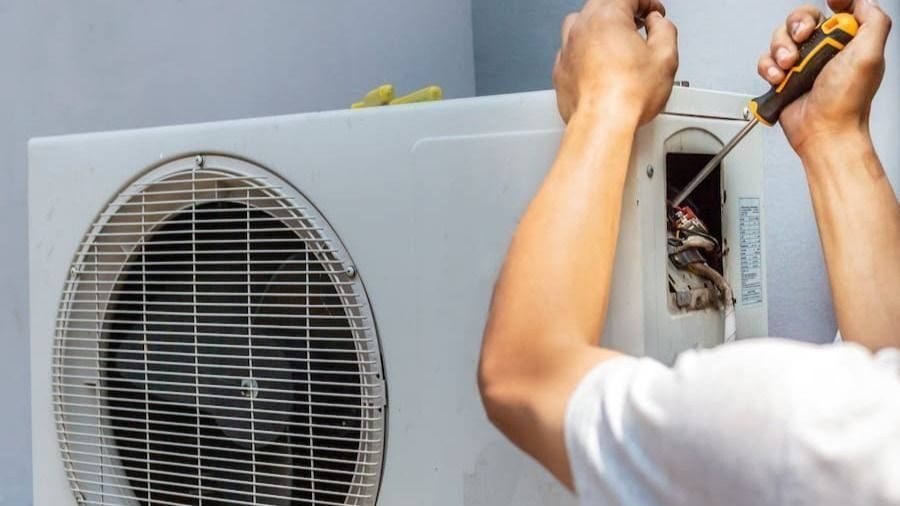
Cincinnati homeowners experience everything from hot, humid summers to freezing winter temperatures. Staying comfortable through these seasonal changes requires reliable heating and cooling equipment. While traditional HVAC systems often use separate equipment for heating and air conditioning, modern heat pumps offer an alternative that can handle both.
Heat pumps have become increasingly popular for homeowners seeking energy efficiency, consistent indoor temperatures, and long-term comfort. However, questions about cold-weather performance, installation costs, and operating costs can make it hard to decide whether an upgrade is worth it.
In this guide, we’ll explain how heat pumps work, whether they can handle Cincinnati’s winters, and what homeowners should consider before investing in professional heat pump installation.
How Does a Heat Pump Provide Heating and Cooling?
Unlike a traditional furnace that generates heat through combustion, a heat pump transfers heat from one location to another. This lets the same system provide both heating and air conditioning year-round.
In summer, a heat pump operates like a conventional air conditioner, removing heat from inside your home and releasing it outdoors. In winter, the system reverses this process, extracts available heat from outdoor air, and transfers it indoors.
Even when outdoor temperatures fall below freezing, air still contains thermal energy that certain heat pumps can use for heating.
Because heat pumps move heat rather than generate it through electric resistance, they can deliver more heating energy than the electricity they consume under suitable operating conditions.
However, performance depends on the equipment, outdoor temperature, and installation quality. Choosing a system designed for Cincinnati’s seasonal conditions is essential for dependable year-round comfort.
Can a Heat Pump Handle Cincinnati’s Cold Winters?
One of the biggest concerns about heat pump installation in Cincinnati is whether the equipment can provide sufficient heating during freezing weather. While older heat pumps sometimes struggled in colder climates, modern cold-climate models offer improved performance at lower outdoor temperatures.
These systems use advanced compressor technology and other design improvements to maintain useful heating capacity during winter.
Several factors determine how effectively a heat pump performs in Cincinnati:
-
Cold-climate equipment: Models designed for lower temperatures can maintain more heating capacity during freezing conditions than many conventional systems.
-
Outdoor temperature: Heating efficiency and available capacity generally decline as temperatures fall, although performance varies by model.
-
Proper system sizing: Select equipment based on the home’s heating needs during Cincinnati’s colder weather.
-
Supplemental heating: Some systems use electric resistance backup heating when they need additional capacity.
-
Dual-fuel compatibility: A heat pump can be paired with a compatible gas furnace to provide heating when outdoor conditions make furnace operation preferable.
Modern heat pumps can work well in Ohio, but not every model suits every home. A professional HVAC evaluation can help determine whether a standalone heat pump or a system with supplemental heating makes more sense.
What Are the Benefits of Installing a Heat Pump in Cincinnati?
Heat pumps offer several potential advantages for homeowners looking to improve heating and cooling performance. When properly selected and installed, these systems can operate efficiently and provide dependable comfort through Cincinnati’s changing seasons.
Some of the primary benefits include:
-
Year-round heating and cooling: A single heat pump system can provide air conditioning in summer and heat in winter, reducing the need for separate heating and cooling equipment.
-
Improved energy efficiency: Heat pumps transfer heat rather than generate it through electric resistance, allowing them to operate efficiently under the right conditions.
-
Potentially lower utility costs: Efficient operation may reduce energy expenses depending on the equipment being replaced, local electricity rates, and household heating needs.
-
More consistent indoor temperatures: Many modern systems use variable-speed compressors that adjust output to match changing heating and cooling demands.
-
Better summer humidity management: Properly sized equipment with appropriate controls can help remove indoor moisture while cooling.
-
Electric heating options: Heat pumps offer an alternative to combustion-based heating, letting homeowners rely less on natural gas or other fuels.
These benefits can make heat pump installation an attractive investment, particularly when replacing aging HVAC equipment.
However, actual comfort improvements and operating savings depend on the home’s characteristics and the specific system installed.
Heat Pump vs. Furnace: Which Makes More Sense for Your Home?
Homeowners considering heat pump installation often compare these systems with traditional gas furnaces. Both can provide reliable heating, but they operate differently and have distinct advantages.
A gas furnace burns fuel to generate heat, while a heat pump uses electricity to transfer heat into the home. Unlike a furnace, a heat pump can also provide air conditioning during warmer months.
For Cincinnati homeowners, the choice often depends on existing equipment, energy costs, and winter heating requirements.
Important considerations include:
-
Energy source: Heat pumps run on electricity, while gas furnaces use natural gas.
-
Heating efficiency: Heat pumps can provide highly efficient heating, but operating expenses depend on electricity and natural gas prices.
-
Winter performance: Gas furnaces generally maintain their heating output during cold weather, while heat pump capacity varies with outdoor temperature.
-
Cooling requirements: Heat pumps provide both heating and cooling, while furnaces require separate cooling equipment.
-
Existing infrastructure: Homes with functional gas furnaces and ductwork may have different installation options than homes using electric heating.
Another option is a dual-fuel heating system, which combines an electric heat pump with a compatible gas furnace.
The heat pump typically provides heating in milder conditions, while the furnace takes over when temperatures drop or gas heating becomes more cost-effective.
For some Cincinnati homes, this combination offers a practical balance between efficient electric heating and dependable cold-weather performance.
How Much Does Heat Pump Installation Cost in Cincinnati?
Heat pump installation costs vary considerably depending on the equipment selected and the home’s existing HVAC infrastructure. Because every property has different heating and cooling needs, a professional evaluation is needed for an accurate estimate.
Several factors can influence the total installation expense:
-
Equipment size and capacity: Larger homes or properties with greater heating and cooling demands may require higher-capacity systems.
-
Efficiency and technology: Cold-climate heat pumps, variable-speed compressors, and advanced controls can affect equipment pricing.
-
Existing ductwork: Damaged, undersized, or poorly configured ducts may require modifications to support proper airflow.
-
Electrical requirements: Some installations need additional circuits or electrical improvements, depending on existing capacity and equipment specifications.
-
Supplemental heating: Electric backup heating or a dual-fuel configuration may affect installation complexity.
-
Replacement versus conversion: Replacing compatible equipment may involve different costs than converting a home from another heating system.
Homeowners should request an itemized estimate that explains the recommended equipment and any necessary modifications.
Comparing installation costs with expected performance and operating expenses gives a clearer picture of long-term value.
What Factors Determine Whether a Heat Pump Is Worth It?
A heat pump can be a worthwhile investment, but its financial value depends on more than equipment efficiency alone. Homeowners should consider installation expenses, operating costs, and the condition of their current heating and cooling systems.
For example, replacing an aging furnace and air conditioner may create a different financial situation than replacing equipment that still operates efficiently.
Several considerations can help determine whether installation makes sense:
-
Current HVAC condition: Aging equipment requiring frequent repairs may make replacement more attractive.
-
Electricity and natural gas rates: Local utility prices influence whether electric heating costs less than operating a gas furnace.
-
Home insulation: Well-insulated homes generally require less energy to maintain comfortable temperatures.
-
Winter heating demand: Cincinnati’s colder conditions affect heat pump efficiency and supplemental heating requirements.
-
Cooling requirements: Homeowners replacing an air conditioner can consider the value of gaining heating capabilities with the same equipment.
-
Expected ownership period: How long you plan to remain in the home may influence the value of long-term operating savings.
-
Available incentives: Eligible rebates or other programs may affect project costs, although availability and requirements can change.
Heat pumps also require regular maintenance because they provide both heating and cooling throughout much of the year.
Following manufacturer recommendations for filter changes and professional service can help maintain efficient operation and equipment reliability.
Ultimately, a heat pump’s value depends more on how well the system matches your home’s needs than on efficiency ratings alone.
Explore Heat Pump Installation With Jolly Heating, Air, Plumbing, Electric
Heat pump installation can give Cincinnati homeowners an efficient way to manage heating and cooling year-round. Modern equipment offers improved cold-weather capabilities, flexible system configurations, and potential energy savings, but choosing the right solution requires evaluating your home’s specific needs.
At Jolly Heating, Air, Plumbing, Electric, we understand how important dependable indoor comfort is during Cincinnati’s hot summers and cold winters. Whether you’re replacing aging HVAC equipment, comparing heat pumps with traditional furnaces, or exploring dual-fuel options, a professional evaluation can help you make an informed decision.
If you’re wondering whether a heat pump is worth the investment for your home, contact Jolly Heating, Air, Plumbing, Electric today to discuss your heating and cooling needs and explore professional heat pump installation options.

Call Us. We’ll Take Care of It.
Heating, air, plumbing, electric, drains, or water cleanup, we’ll figure out what’s going on and get it handled without making it complicated