Free Drain Cleaning with Jolly Home Plan


4.8 Google Rating
EV Charger Installation Costs in Northern Kentucky: What to Expect


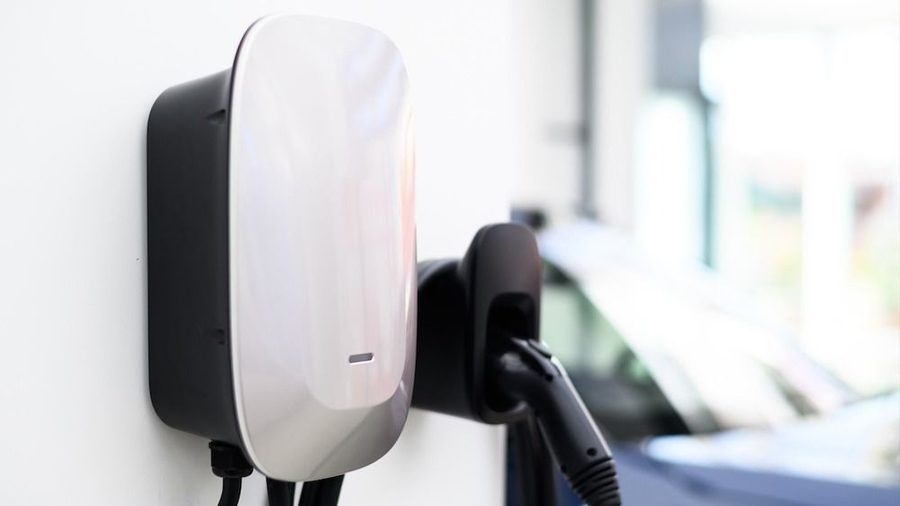
Installing a home EV charger can make daily charging faster and more convenient, but the total project cost depends on much more than the charger itself. Electrical panel capacity, wiring distance, charger output, installation location, and possible upgrades can all affect what a Northern Kentucky homeowner ultimately pays.
In this guide, you will learn what influences EV charger installation costs, when an electrical panel upgrade may be necessary, and how to plan for a Level 2 charging setup that fits your home and driving needs. The best way to budget accurately is to evaluate the electrical work required for your specific property rather than relying on a generic installation price.
What Determines the Cost of Installing an EV Charger at Home?
The largest cost differences usually come from the electrical work needed to support the charger.
A simple installation may involve mounting a charger near an electrical panel and adding a properly sized dedicated circuit. A more complicated project might require a long wiring run, work through finished areas, panel modifications, or an electrical service upgrade.
Key cost factors include:
-
Charger power level
-
Available electrical capacity
-
Breaker space
-
Circuit size
-
Distance from the electrical panel
-
Wiring and conduit requirements
-
Garage or parking location
-
Hardwired versus plug-in installation
-
Panel or service upgrades
-
Permit and inspection requirements
This is why two homeowners installing similar chargers can receive very different estimates.
Why Do Most Homeowners Consider Level 2 Charging?
Level 1 charging generally uses a standard household electrical connection and can be practical for drivers with modest daily mileage or plenty of time between trips. However, charging is relatively slow.
Level 2 charging uses a higher-voltage circuit and can replenish an EV battery much faster, making it a common choice for homeowners who want reliable overnight charging.
A Level 2 setup is often better suited to:
-
Longer daily commutes
-
Larger EV batteries
-
Multiple EV drivers
-
Frequent driving
-
Homeowners who want faster overnight recovery
The important point is that installing a Level 2 charger typically requires dedicated electrical work. The charger itself may be only one portion of the overall project cost.
For many homes, the question is not simply which charger to buy. It is whether the electrical system can support the charging level you want.
Can Your Electrical Panel Handle an EV Charger?
Before installing a Level 2 charger, an electrician should evaluate the home’s existing electrical capacity.
EV charging can represent a significant continuous electrical load, so available breaker space alone does not tell the entire story. A panel may have room for another breaker but still have limited capacity based on the home’s overall electrical demand.
An electrician may evaluate:
-
Main electrical service size
-
Existing household loads
-
Available panel capacity
-
Breaker space
-
Charger amperage
-
HVAC equipment
-
Electric water heating
-
Electric cooking equipment
-
Other major appliances
A 200-amp panel does not automatically guarantee that every EV charger can be added without changes. Likewise, a home with a smaller electrical service does not automatically require a full replacement.
The correct answer depends on the home’s actual load.
How Does the Distance From Your Panel Affect Installation Cost?
Charger location can have a major effect on labor and material costs.
If the electrical panel is located inside or directly beside the garage, the wiring route may be relatively short and straightforward. If the charger needs to be installed across the garage, on the opposite side of the house, or in a detached structure, the project can become much more involved.
Longer runs may require additional:
-
Wire
-
Conduit
-
Fasteners
-
Wall or ceiling access
-
Exterior-rated materials
-
Labor
Routing wiring through finished walls or difficult areas can also increase complexity.
For homeowners still deciding where to install the charger, location is worth discussing with an electrician before purchasing equipment. Moving the charging location even a modest distance may simplify the electrical work.
However, convenience matters too. The charger should still be positioned where the cable can comfortably reach the vehicle without creating an awkward or unsafe setup.
Does a Higher-Powered EV Charger Cost More to Install?
It can. Higher-powered Level 2 chargers may require larger circuits, heavier wiring, and greater electrical capacity. That can increase installation cost, particularly if the existing panel is already close to its available load. More power is not always necessary.
The right charger output depends on:
-
Your vehicle’s onboard charging capability
-
Daily driving distance
-
Battery size
-
How long the vehicle stays parked overnight
-
Electrical capacity
-
Future EV plans
If your vehicle can only accept a certain charging rate, installing a substantially more powerful charger may provide little immediate benefit.
A homeowner who drives 25 miles per day may also have very different charging needs from someone driving 100 miles daily.
Choosing the right output can help balance charging speed with installation complexity.
Should Your EV Charger Be Hardwired or Plugged In?
Some Level 2 chargers are designed to be hardwired directly into the electrical system, while others connect through a compatible high-voltage receptacle. Both approaches can work when installed correctly.
Hardwired chargers may offer:
-
A permanent connection
-
Fewer plug and receptacle connections
-
A clean installation
-
Compatibility with certain higher-output equipment
A plug-in charger may offer:
-
Easier charger replacement
-
Greater flexibility with compatible equipment
-
The ability to disconnect the charger without rewiring it
The right option depends on the charger manufacturer’s instructions, electrical requirements, circuit capacity, and how the homeowner plans to use the equipment.
Cost can also vary because receptacle installations may require additional components, while certain higher-output chargers may require hardwiring.
An electrician can help determine which configuration is appropriate before the circuit is installed.
When Does an EV Charger Installation Require a Panel Upgrade?
Not every EV charger installation requires a new electrical panel.
A panel or service upgrade may become necessary when:
-
The existing service lacks sufficient capacity
-
The panel has limited breaker space
-
Existing equipment is outdated or unsuitable
-
The proposed charger adds too much electrical demand
-
Other major electrical upgrades are planned
In some homes, another electrical strategy may allow EV charging without replacing the entire service. The available options depend on the existing electrical system and local requirements.
This is why a professional load evaluation is important before assuming that a panel replacement is unavoidable.
If an upgrade is necessary, it can significantly affect the overall project budget. However, it may also create additional capacity for future electrical improvements such as heat pumps, induction cooking, electric water heating, or another EV charger.
The decision should be based on actual electrical demand rather than the age of the panel alone.
Why Do Permits and Electrical Requirements Matter?
A Level 2 EV charger is a substantial electrical load that may operate for hours at a time. Proper circuit sizing, wiring, protection, and equipment installation are essential.
Professional installation may involve:
-
Correct breaker sizing
-
Proper conductor sizing
-
Grounding
-
Equipment mounting
-
Appropriate circuit protection
-
Manufacturer installation requirements
-
Required permits
-
Electrical inspection where applicable
Cutting corners on these details can create overheating, nuisance tripping, equipment problems, or other electrical hazards.
EV charger installation should be treated as permanent electrical work, not simply as adding another household appliance.
What Should Be Included in an EV Charger Installation Estimate?
A useful estimate should clearly explain the electrical work included in the project.
Depending on the home, the estimate may account for:
-
Dedicated EV charging circuit
-
Breaker
-
Wire
-
Conduit
-
Charger mounting
-
Hardwired connection or receptacle
-
Distance from the panel
-
Wall or ceiling access
-
Panel modifications
-
Electrical service upgrades
-
Permit or inspection costs
-
Testing after installation
Ask whether the charger itself is included in the quoted price or whether you are expected to purchase it separately.
It is also worth confirming whether additional electrical work could become necessary once the panel and wiring route are inspected more closely.
A detailed estimate makes it easier to compare contractors based on the actual scope of work rather than the bottom-line number alone.
Can You Reduce the Cost of Installing a Home EV Charger?
Some installation costs are unavoidable, but thoughtful planning may help keep the project simpler.
Homeowners can often reduce unnecessary expense by:
-
Installing the charger reasonably close to the electrical panel
-
Choosing a charging output that matches actual needs
-
Having the electrical system evaluated before buying a charger
-
Confirming compatibility with the vehicle
-
Planning ahead for a second EV
-
Avoiding unnecessary panel upgrades when capacity is already sufficient
Buying the least expensive charger does not automatically create the least expensive project. A charger with electrical requirements that exceed what your home can easily support could make installation more complicated.
It is often better to choose the charger and electrical design together.
What Should an Electrician Check Before Giving You a Price?
A reliable installation estimate should be based on the actual home.
Before recommending a charger setup, an electrician should consider:
-
Main electrical service
-
Panel condition
-
Existing household loads
-
Available circuit capacity
-
Proposed charger output
-
Vehicle charging requirements
-
Charger location
-
Wiring route
-
Installation method
-
Future charging plans
This evaluation helps determine whether the project is a straightforward circuit installation or whether additional electrical work is necessary.
It also gives homeowners a clearer picture of what they are paying for before installation begins.
Budget for the Electrical Work, Not Just the Charger
The cost of installing an EV charger in Northern Kentucky depends heavily on the home’s electrical system and where the charger will be located. Panel capacity, wiring distance, charger output, circuit requirements, and possible upgrades can all change the final price.
A simple installation near the electrical panel may require far less work than a charger located in a detached garage or a home that needs additional electrical capacity. That is why an on-site electrical evaluation is more useful than relying on a broad national price range.
Jolly Heating, Air, Plumbing, Electric helps Northern Kentucky homeowners evaluate electrical capacity, select an appropriate charging setup, and professionally install home EV charging equipment. If you are planning to add a Level 2 charger and want a clear understanding of the electrical work your home requires, contact us today to schedule an EV charger installation evaluation.


Call Us. We’ll Take Care of It.
Heating, air, plumbing, electric, drains, or water cleanup, we’ll figure out what’s going on and get it handled without making it complicated