Free Drain Cleaning with Jolly Home Plan


4.8 Google Rating
When Should Cincinnati Homeowners Repair or Replace Their Water Heater?

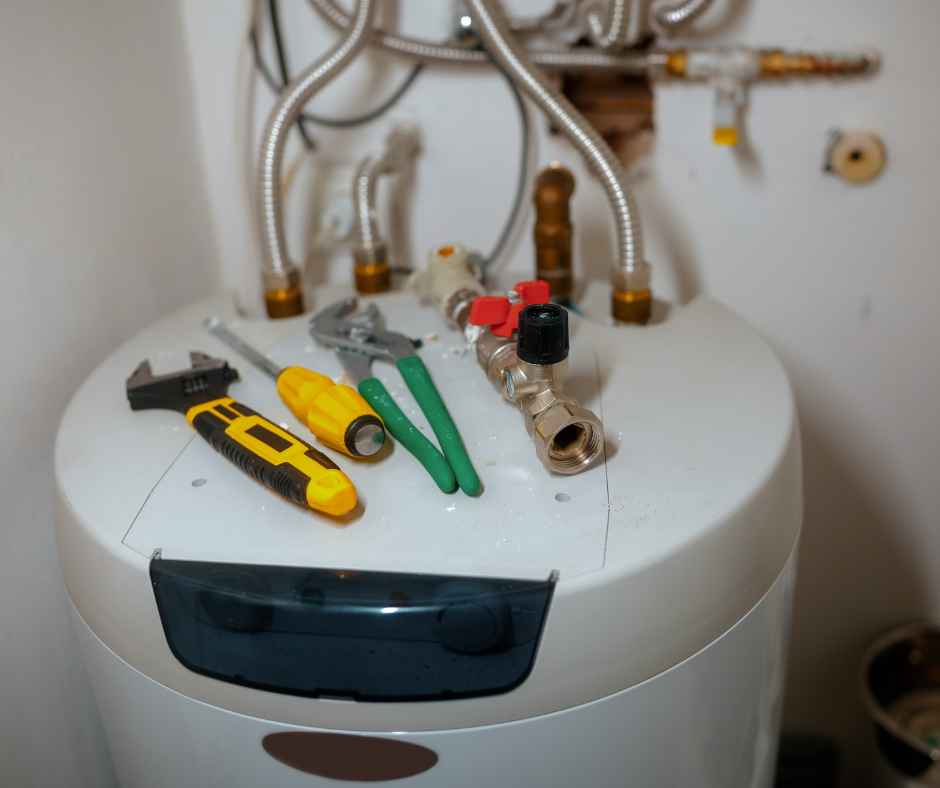
Cincinnati homeowners should repair a water heater when the unit is newer, the tank is not leaking, and the issue is limited to a replaceable part like a thermostat, heating element, valve, or pilot assembly. Replacement is usually the better choice when the water heater is 10 years old or older and is leaking from the tank, producing rusty water, making loud noises, or requiring frequent repairs.
Hot water is one of the most important comforts in your home. Showers, laundry, dishes, cleaning, and daily routines all depend on a reliable water heater. When the system starts acting up, the big question is whether a repair will solve the problem or whether replacement is the smarter investment.
In this guide, we will explain when Cincinnati homeowners should repair a water heater, when replacement makes more sense, and how Jolly Heating, Air, Plumbing, Electric can help you choose the right option for your home.
Why the Repair vs. Replacement Decision Matters
A water heater problem can feel urgent, especially when your home has no hot water or water is pooling near the tank. But rushing into the cheapest option can lead to more problems later. A quick repair may be the right move for a newer system, while an older or leaking unit may need replacement before it causes water damage.
The right choice depends on:
- Age of the water heater
- Type of water heater
- Tank condition
- Repair history
- Hot water performance
- Energy efficiency
- Water quality
- Household demand
- Cost of repair compared to replacement
- Long-term plans for the home
A professional inspection can help determine whether you are dealing with a minor part failure or a water heater that is nearing the end of its service life.
When Water Heater Repair Makes Sense
Repair is often the best option when the water heater is still in good condition and the problem is isolated. Not every hot water issue means the entire system needs to be replaced.
Water heater repair may make sense if:
- The unit is less than 8 years old
- The tank is not leaking
- The problem started suddenly
- The unit has not needed frequent repairs
- Hot water demand has not changed
- The repair is affordable
- The system has been maintained
- The issue involves a replaceable part
- There are no signs of severe rust or corrosion
Common repairable problems include:
- Faulty thermostat
- Bad heating element
- Pilot light issue
- Gas control problem
- Pressure relief valve issue
- Loose connection
- Minor leak at a fitting
- Sediment-related performance issue
- Ignition problem
- Broken drain valve
For example, if an electric water heater produces lukewarm water, the heating element may be the issue. If a gas water heater will not stay lit, the pilot or ignition system may need service. These problems do not always require full replacement.
When Water Heater Replacement Is the Better Choice
Replacement is often the better decision when the system is old, leaking, inefficient, or unreliable. A repair may restore hot water for now, but it may not be worth the cost if another breakdown is likely.
Consider water heater replacement if:
- The unit is 10 years old or older
- Water is leaking from the tank
- Repairs are becoming frequent
- Hot water runs out too quickly
- Water looks rusty or discolored
- The tank makes popping or rumbling noises
- The system struggles to keep up
- Energy bills are rising
- The tank shows visible corrosion
- Repair costs are high compared to replacement costs
- The current unit no longer fits your household’s needs
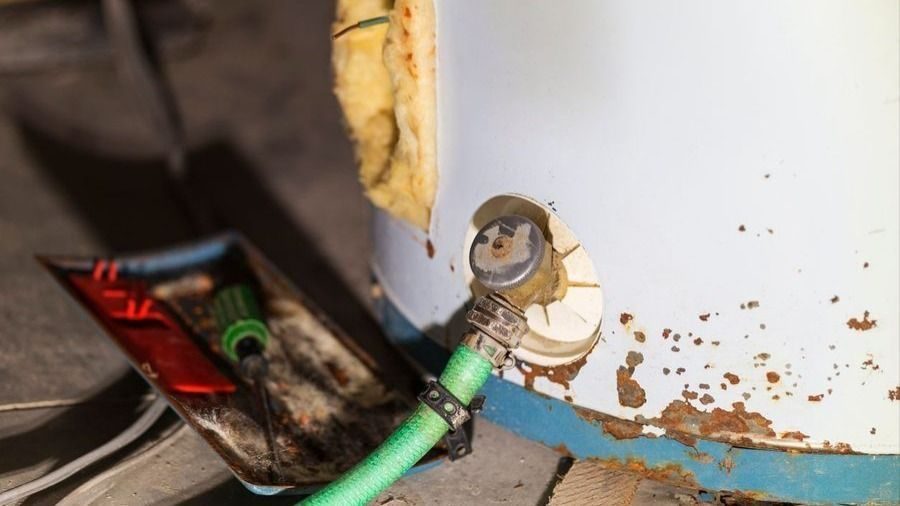
A leaking tank is one of the clearest signs that replacement is needed. Leaks from fittings or valves may be repairable, but a leak from the tank itself usually means the tank has failed.
How Age Helps Guide the Decision
Water heaters do not last forever. Traditional tank water heaters commonly reach replacement age in the 8 to 12-year range, depending on maintenance, water quality, installation quality, and usage. Tankless water heaters can often last longer with proper maintenance, but they still require service and eventual replacement.
Use this simple guide:
- Under 8 years old: Repair may be worth considering if the issue is minor.
- 8 to 10 years old: Compare repair cost, tank condition, and performance.
- 10 years or older: Replacement is often the smarter long-term choice.
- Any age with a leaking tank: Replacement is usually necessary.
If you are not sure how old your water heater is, check the manufacturer’s label or ask a technician to help identify the age during inspection.
Warning Signs You Should Not Ignore
Some water heater symptoms need fast attention. Waiting too long can lead to water damage, unsafe operation, or a complete loss of hot water.
Call Jolly Heating, Air, Plumbing, Electric if you notice:
- No hot water
- Water pooling around the tank
- Rust-colored hot water
- Metallic-smelling water
- Loud popping, banging, or rumbling sounds
- Hot water that runs out quickly
- Weak hot water pressure
- Pilot light problems
- Breakers tripping on an electric unit
- A rotten egg smell near a gas water heater
- Water heater shutoff or error codes
- Visible rust on the tank or connections
Do not ignore water around the base of the unit. Even a small leak can spread into the flooring, walls, and nearby storage areas.
Why Cincinnati Water Conditions Can Affect Water Heaters
Water quality can affect how long a water heater lasts and how well it performs. Minerals in the water can settle inside tank water heaters as sediment. Over time, that sediment can reduce efficiency, create noise, and make the system work harder.
Sediment buildup can cause:
- Popping or rumbling sounds
- Less available hot water
- Longer recovery times
- Higher energy use
- Extra stress on the tank
- Reduced system lifespan
- More frequent maintenance needs
Regular maintenance can help reduce sediment problems. If the water heater has never been flushed and is already older, a professional inspection is the safest first step.
When Hot Water Demand Outgrows the System
Sometimes the water heater is not broken. It may simply be too small or too outdated for the way your household uses hot water now.
Your home may need a different water heater if:
- Your family has grown
- You added a bathroom
- You installed a larger tub
- You have more frequent guests
- Laundry use has increased
- You run multiple showers at once
- The current tank runs out during normal use
- You want better efficiency or faster recovery
If your current system never seems to keep up, replacement may improve comfort even if the old unit can still be repaired.
How to Compare Repair Cost and Replacement Value
Cost is often the deciding factor. A small repair on a newer water heater can make sense. A major repair on an older system may not.
Repair may be the better value when:
- The unit is newer
- The tank is sound
- The issue is isolated
- The repair is affordable
- The system has been reliable
- Hot water supply is still adequate
Replacement may be the better value when:
- The unit is old
- The repair is expensive
- The tank is leaking
- Breakdowns keep happening
- The system is inefficient
- Hot water demand has outgrown the unit
- You want improved reliability
Will the repair give you several more dependable years, or is it only delaying replacement? If the repair is only buying a little time, replacement may be the more practical choice.
Tank vs. Tankless Water Heater Options
If replacement is the right move, you may need to choose between a traditional tank water heater and a tankless water heater. Both can be good options depending on your home and budget.
A traditional tank water heater may be a good fit if you want:
- Lower upfront cost
- A familiar system
- Stored hot water ready for use
- Straightforward replacement
- Reliable performance for typical household demand
A tankless water heater may be a good fit if you want:
- Hot water on demand
- Space savings
- Less standby energy loss
- Longer system life with proper maintenance
- A modern upgrade for your home
Tankless systems must be sized correctly and may require plumbing, venting, gas, or electrical updates. Jolly Heating, Air, Plumbing, Electric can help you compare the options based on your home’s layout and hot water needs.
What Happens During a Water Heater Inspection?
A professional inspection helps remove guesswork from the repair vs. replacement decision. The technician can check the unit’s condition, identify the cause of the issue, and explain the best options.
A water heater inspection may include:
- Checking the tank for leaks
- Inspecting valves and fittings
- Reviewing system age
- Testing water temperature
- Checking the pressure relief valve
- Looking for corrosion
- Listening for sediment-related noises
- Checking pilot or ignition operation
- Testing heating elements or thermostats
- Reviewing venting on gas units
- Checking water pressure
- Discussing household hot water demand
After the inspection, you should understand whether the problem is minor, urgent, or a sign that the water heater is nearing failure.
How to Help Your Water Heater Last Longer
Good maintenance can help reduce breakdowns and extend water heater life.
Helpful habits include:
- Schedule routine water heater maintenance
- Flush the tank as recommended
- Watch for leaks around the base
- Check for rust or corrosion
- Do not ignore unusual noises
- Keep the area around the unit clear
- Repair small leaks quickly
- Monitor hot water performance
- Know the age of the system
- Call for service when performance changes
Preventive service is usually easier and less stressful than an emergency replacement after a tank fails.
Choose the Right Water Heater Solution Before the Next Cold Shower
Call Jolly Heating, Air, Plumbing, Electric if your Cincinnati home has no hot water, rusty water, a leaking tank, loud water heater noises, low hot water pressure, frequent repairs, or a system 10 years old or older. These signs may mean your water heater needs professional repair or replacement.
Repair is often right for newer systems with isolated part failures. Replacement is usually better when the tank is leaking, the unit is aging, repairs are frequent, or the system no longer meets your household’s hot water needs. Contact Jolly Heating, Air, Plumbing, Electric today to schedule water heater service. Our team can inspect your system, explain your options, and help restore reliable hot water to your home.
Call Us. We’ll Take Care of It.
Heating, air, plumbing, electric, drains, or water cleanup, we’ll figure out what’s going on and get it handled without making it complicated