Free Drain Cleaning with Jolly Home Plan


4.8 Google Rating
Why Your AC Cannot Keep Up With Cincinnati Humidity and When to Schedule AC Repair


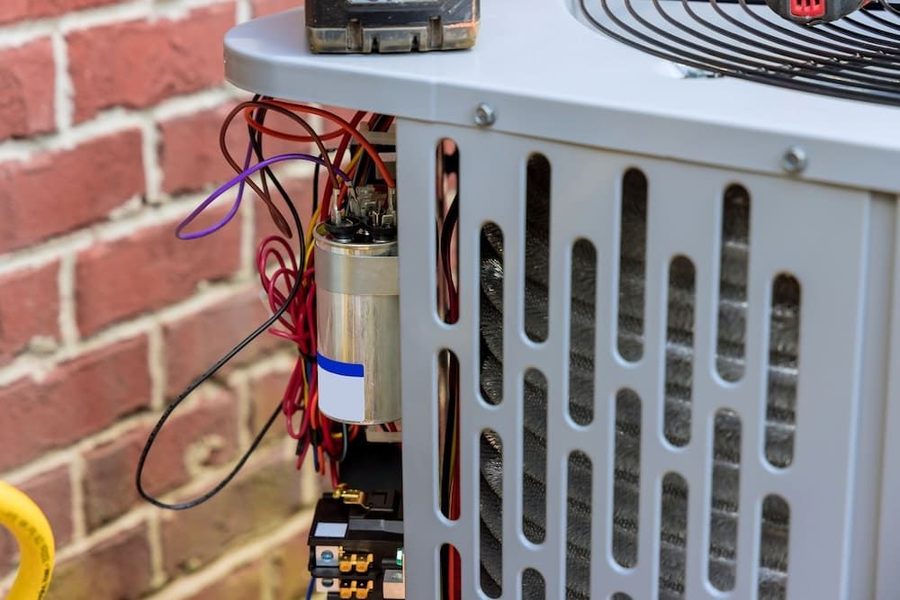
Cincinnati summers can be uncomfortable for more than one reason. High temperatures are only part of the problem. Heavy humidity can make your home feel warmer, stickier, and less comfortable even when the thermostat shows a reasonable indoor temperature.
Your air conditioner should remove both heat and moisture from the air. When it cannot keep up, the problem may involve restricted airflow, dirty components, refrigerant issues, incorrect equipment sizing, or humid outdoor air entering the home.
In this guide, we will explain why Cincinnati humidity can overwhelm your cooling system, which warning signs deserve attention, and when it is time to schedule professional AC repair.
Why Cincinnati Humidity Makes Your Home Feel Hotter
Humidity measures how much moisture is present in the air. When indoor humidity rises, sweat evaporates more slowly from your skin. This makes your body feel warmer, even if the thermostat setting has not changed.
A home at 74 degrees with balanced humidity can feel more comfortable than a home at 70 degrees with excessive moisture in the air. That is why lowering the thermostat does not always solve the problem.
High indoor humidity can also contribute to:
-
Sticky or clammy indoor air
-
Musty odors
-
Condensation on windows
-
Damp-feeling furniture or bedding
-
Increased mold and mildew risk
-
Warping or swelling in wood materials
-
Longer AC run times
If your home feels uncomfortable despite frequent air conditioning, humidity may be a major part of the issue.
How Your AC Is Supposed to Remove Humidity
An air conditioner does more than lower the temperature. It also removes moisture as part of the cooling process.
Warm indoor air is pulled through the return vents and moved across the cold evaporator coil. As the air cools, water vapor condenses on the coil. That moisture drains into a condensate pan and exits through the drain line.
The cooled, drier air is then circulated back into the home.
For this process to work correctly, the system needs:
-
Proper airflow
-
A clean evaporator coil
-
Correct refrigerant levels
-
Adequate run time
-
A working blower motor
-
Clear condensate drainage
-
Equipment sized for the home
When one of these factors is disrupted, the air conditioner may still run without removing enough moisture.
Signs Your AC Is Not Keeping Up With Humidity
Humidity problems are not always obvious at first. Your thermostat may show that the system is reaching the selected temperature, but the home can still feel uncomfortable.
Common warning signs include:
-
The air feels sticky or heavy
-
Rooms feel clammy after the AC shuts off
-
The system runs for long periods without improving comfort
-
Windows develop condensation
-
Musty smells appear near vents or in certain rooms
-
The basement feels especially damp
-
The thermostat reaches its setting, but the home still feels warm
-
Energy bills rise without a major change in usage
-
Mold or mildew appears around windows, vents, or bathrooms
-
The AC cycles on and off frequently
Persistent humidity can indicate a cooling system problem, a home ventilation issue, or a combination of both.
Dirty Air Filters and Restricted Airflow
A clogged air filter can reduce the amount of air moving through the HVAC system. When airflow drops, the evaporator coil cannot remove heat and moisture as effectively.
Restricted airflow may also cause the coil to become too cold and freeze. Once ice forms, the system’s cooling and dehumidification performance can decline significantly.
Homeowners may notice:
-
Weak airflow from vents
-
Longer cooling cycles
-
Ice on refrigerant lines
-
Warm or uneven indoor temperatures
-
Higher utility bills
Checking the filter is a good first step. However, replacing a dirty filter may not fully resolve the issue if the system has already developed frozen coils or another mechanical problem.
Dirty or Frozen Evaporator Coils
The evaporator coil needs a clean surface to absorb heat and collect moisture. Dust, dirt, and debris can create a layer of buildup that interferes with both processes.
A dirty coil may cause the air conditioner to run longer while removing less heat and humidity. If airflow is restricted or refrigerant pressure is incorrect, the coil may freeze.
Signs of a coil problem can include:
-
Ice around the indoor unit
-
Water near the furnace or air handler
-
Weak cooling
-
Long run times
-
Reduced airflow
-
Unusual hissing or bubbling sounds
Turning the thermostat lower will not solve a frozen coil. In many cases, professional AC repair is needed to identify why the coil froze and prevent it from happening again.
An Oversized Air Conditioner
Bigger cooling equipment is not always better. An oversized air conditioner may cool the home too quickly and shut off before it has enough time to remove moisture from the air.
This is called short cycling. The system starts, runs briefly, reaches the thermostat setting, and shuts down. The temperature may fall, but the humidity remains high.
Possible signs of an oversized system include:
-
Frequent starts and stops
-
Cold air followed by quick discomfort
-
Uneven temperatures
-
Persistent indoor humidity
-
Excessive system noise
-
Premature equipment wear
Proper AC sizing should be based on more than square footage. A professional load calculation should consider insulation, windows, ceiling height, home layout, sun exposure, air leakage, and other factors.
Low Refrigerant or Mechanical Problems
Refrigerant helps the AC absorb indoor heat and move it outside. When refrigerant levels are low, the system may struggle to cool the evaporator coil properly.
Low refrigerant is usually caused by a leak. Adding more refrigerant without finding and repairing the leak may only provide a temporary fix.
Other mechanical issues that can interfere with humidity removal include:
-
Failing blower motors
-
Weak capacitors
-
Compressor problems
-
Faulty thermostats
-
Clogged condensate drains
-
Damaged control boards
-
Dirty outdoor coils
-
Incorrect fan settings
These problems can cause weak airflow, long run times, short cycling, poor cooling, or water leaks. A professional technician can test the system and determine which component is affecting performance.
Leaky Ductwork and Humid Air Infiltration
Your AC may be working properly while humid outdoor air enters the home faster than the system can remove it.
Leaky ductwork can pull hot, humid air from attics, crawl spaces, basements, garages, or wall cavities. Gaps around windows, doors, plumbing penetrations, and attic access points can create similar problems.
Common signs of duct leakage or air infiltration include:
-
Certain rooms stay humid
-
Cooling performance varies by floor
-
Dust collects quickly
-
Utility bills are unusually high
-
The system runs constantly
-
Rooms near the attic or garage feel warmer
-
Airflow is weak from some vents
Sealing ductwork and reducing uncontrolled air leakage can improve comfort and help the AC manage humidity more effectively.
When High Humidity May Be a Maintenance Issue
Some humidity problems begin with overdue maintenance rather than a major system failure.
Routine service may restore performance if the problem involves:
-
A dirty air filter
-
Dust buildup on the coils
-
A clogged condensate drain
-
Incorrect thermostat settings
-
Debris around the outdoor unit
-
Minor airflow restrictions
-
Loose electrical connections
Annual cooling maintenance gives a technician an opportunity to clean components, inspect drainage, test refrigerant pressures, measure airflow, and identify wear before it causes a breakdown.
Maintenance is especially important before Cincinnati’s hottest and most humid weather arrives.
When to Schedule AC Repair
You should schedule AC repair when humidity problems continue after basic steps such as checking the filter and confirming the thermostat settings.
Call for professional service if you notice:
-
Warm air coming from the vents
-
Weak or inconsistent airflow
-
Ice on the indoor coil or refrigerant lines
-
Water leaking around the indoor unit
-
The AC runs constantly
-
The system turns on and off every few minutes
-
Unusual buzzing, rattling, or hissing sounds
-
A sudden increase in utility bills
-
Rooms that remain hot or humid
-
Musty odors coming from the vents
-
The thermostat setting is reached, but the home still feels uncomfortable
These symptoms may point to refrigerant loss, frozen coils, blower problems, drainage issues, electrical failures, or another problem that requires professional diagnosis.
Waiting can allow a small issue to damage additional components. For example, restricted airflow can lead to a frozen coil, while a clogged condensate drain can cause water damage around the indoor unit.
Could a Whole-Home Dehumidifier Help?
A whole-home dehumidifier can help when the cooling system is operating correctly, but indoor humidity remains difficult to control.
It may be useful for:
-
Homes with damp basements
-
Properties with recurring moisture problems
-
Tightly sealed homes with limited fresh-air control
-
Families who prefer higher thermostat settings
-
Homes with musty odors
-
Properties where humidity remains elevated during mild weather
A whole-home unit connects to the HVAC system and removes moisture throughout the house. Unlike a portable dehumidifier, it does not serve only one room.
However, a dehumidifier should not be used to hide an AC problem. If the cooling system has low refrigerant, poor airflow, dirty coils, or incorrect sizing, those issues should be addressed first.
How to Prevent Humidity Problems From Returning
A few preventive steps can help your system manage Cincinnati humidity more effectively:
-
Replace air filters on schedule
-
Keep supply and return vents open
-
Schedule annual AC maintenance
-
Have damaged or leaky ducts inspected
-
Keep the outdoor unit clear of debris
-
Avoid setting the thermostat fan to “on” continuously
-
Use bathroom and kitchen exhaust fans
-
Seal obvious air leaks around doors and windows
-
Address basement moisture problems
-
Watch for changes in system run time or airflow
The thermostat fan should usually be set to “auto.” When the fan runs continuously, moisture left on the evaporator coil can be blown back into the home after the cooling cycle ends.
Get Help With Cincinnati Cooling and Humidity Problems
An air conditioner that cannot keep up with Cincinnati humidity may have an airflow problem, dirty coil, refrigerant leak, drainage issue, mechanical failure, or sizing concern. The sooner the cause is identified, the easier it may be to restore comfort and prevent additional system damage.
Jolly Heating, Air, Plumbing, Electric can inspect your cooling system, identify why your home feels humid, and recommend the right repair or indoor air quality solution. If your AC is running but your home still feels hot, sticky, or uncomfortable, contact us today to schedule AC repair.

Call Us. We’ll Take Care of It.
Heating, air, plumbing, electric, drains, or water cleanup, we’ll figure out what’s going on and get it handled without making it complicated