Free Drain Cleaning with Jolly Home Plan


4.8 Google Rating
Hard Water’s Toll: Why Your Cincinnati Water Heater Might Need Replacing Sooner


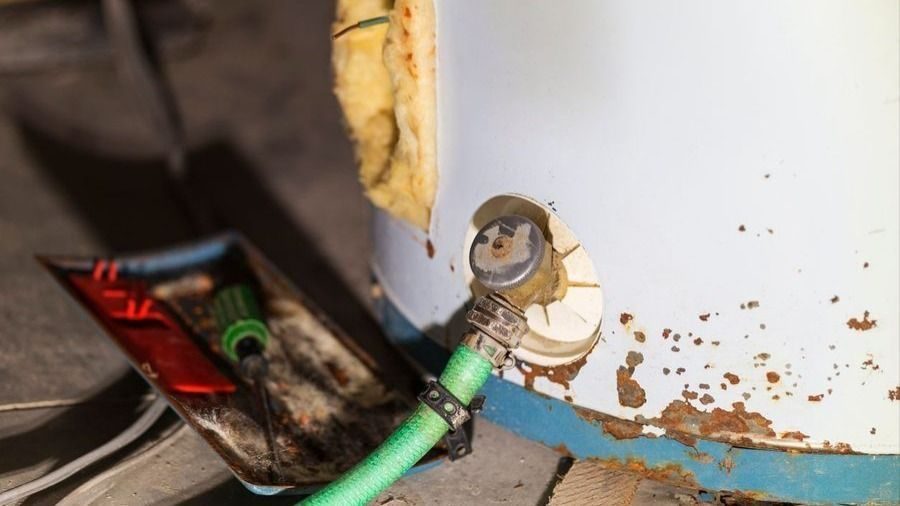
Your water heater may still be producing hot water, but that doesn’t mean hard water isn’t taking a toll behind the scenes. Over time, dissolved minerals can contribute to sediment and scale buildup that affects performance, reduces usable capacity, and makes an aging system harder to maintain.
For Cincinnati homeowners, hard water is a legitimate local consideration. Greater Cincinnati Water Works reports average hardness of about 7 to 8 grains per gallon depending on the treatment source, which means mineral buildup can become an important part of water heater maintenance and long-term performance.
In this guide, we’ll explain how hard water affects your water heater, which warning signs suggest buildup is becoming a problem, when flushing or repair may still make sense, and when replacement becomes the smarter option. The goal is to help you decide based on the system’s condition rather than hard water alone.
How Hard Is the Water in Cincinnati?
Cincinnati’s water is considered moderately hard in many areas, with hardness levels that vary somewhat depending on where the water is treated. Greater Cincinnati Water Works reports average hardness levels of about 7 grains per gallon from the Richard Miller Plant and about 8 grains per gallon from the Charles M. Bolton Plant.
That level of hardness is not a drinking-water safety concern, but it can contribute to mineral deposits throughout a home’s plumbing system. Over time, those deposits can show up on fixtures, inside appliances, and within water heaters.
Water hardness can contribute to:
-
Scale on plumbing fixtures
-
Mineral buildup inside water heaters
-
Reduced efficiency in some appliances
-
Increased maintenance needs
-
Sediment accumulation in storage tanks
The exact amount of buildup in your home will depend on your water source, equipment, usage, and maintenance history.
How Does Hard Water Affect a Water Heater?
Hard water contains dissolved minerals such as calcium and magnesium. As water is heated, some of those minerals can leave deposits behind and settle inside a traditional storage water heater.
Over time, sediment can collect at the bottom of the tank while scale forms on internal surfaces and components. That buildup can interfere with heat transfer, reduce usable tank volume, and lengthen heating cycles.
Possible effects include:
-
Popping or rumbling noises
-
Longer recovery times
-
Reduced hot water availability
-
More frequent maintenance
-
Declining performance
-
Increased strain on heating components
Hard water doesn’t guarantee a water heater will fail early. It does make proper maintenance and overall system condition more important as the equipment ages.
What Are the Signs of Hard Water Buildup in a Water Heater?
Hard water damage usually shows up through a combination of symptoms rather than one obvious sign. Some of those symptoms can also come from other water heater problems, so professional diagnosis is important.
Watch for:
-
Rumbling or popping from the tank
-
Reduced hot water capacity
-
Longer recovery times
-
Visible scale around fittings
-
Frequent sediment-related maintenance
-
Declining system performance
-
Repeated repair needs
If several of these symptoms are happening at once, especially on an older system, mineral buildup may be contributing to the problem. The more often those issues return, the more important it becomes to look at the water heater as a whole.
Why Is Your Water Heater Popping or Rumbling?
Popping and rumbling are commonly associated with sediment buildup in tank water heaters. Water can become trapped beneath or around mineral deposits, creating noise as it heats and moves through the sediment.
The sound may become more noticeable as buildup increases, but noise alone does not mean the tank needs immediate replacement. A water heater can be noisy and still be repairable or serviceable depending on its condition.
The more important question is whether the noise is occurring alongside:
-
Leaks
-
Corrosion
-
Reduced hot water
-
Longer recovery times
-
Repeated repairs
-
Other signs of deterioration
Those additional symptoms provide a much clearer picture of whether maintenance is enough or replacement should be discussed.
Can Hard Water Make You Run Out of Hot Water Faster?
Yes. Heavy sediment buildup can reduce usable space inside a traditional storage tank, which can make it feel like the water heater has lost capacity.
Mineral buildup can also affect how efficiently heat transfers into the water. That may lead to longer recovery times or reduced performance during periods of higher demand.
Other possible causes of reduced hot water include:
-
Thermostat problems
-
Heating element issues
-
Burner problems
-
Increased household demand
-
Undersized equipment
-
General equipment deterioration
That is why you should diagnose reduced hot water before assuming hard water is the only cause.
Can Flushing Help Remove Hard Water Sediment?
Flushing can help remove loose sediment from some traditional tank water heaters. The effectiveness depends on how much buildup has accumulated, how old the system is, and how consistently it has been maintained.
A tank flushed periodically may respond well to routine maintenance. An older tank with years of hardened sediment may not improve as much, especially if deposits have become compacted or the system is already deteriorating.
Factors that matter include:
-
Tank age
-
Maintenance history
-
Amount of sediment
-
Tank condition
-
Signs of corrosion
-
Presence of leaks
-
Manufacturer recommendations
Flushing is a maintenance step, not a guaranteed fix for every noisy or underperforming water heater.
When Is Flushing No Longer Enough?
Flushing may not solve the problem if the water heater is already severely deteriorated. Mineral buildup can be part of the problem, but it cannot be separated from the tank’s overall condition.
Flushing may no longer be enough when:
-
The tank itself is leaking
-
Corrosion is significant
-
Sediment is heavily compacted
-
Noise returns quickly after maintenance
-
Hot water performance continues to decline
-
Repairs are becoming frequent
-
Major components are failing
At that point, continued maintenance may provide limited value compared with replacement.
When Is Water Heater Repair Still Worth It?
Repair can still make sense when the water heater is otherwise in good condition and the issue is isolated. Hard water buildup alone doesn’t automatically mean you should replace the entire system.
Repair may be reasonable when:
-
The tank is not leaking
-
Significant corrosion is not present
-
The problem involves a serviceable component
-
Hot water capacity remains adequate
-
The system has been reliable overall
-
Repairs have been infrequent
-
The repair cost makes sense for the equipment’s condition
The water heater’s age matters, but it should be considered alongside repair history and current performance. An older unit with one minor issue differs greatly from an older unit with multiple signs of deterioration.
When Does Hard Water Damage Make Replacement More Practical?
Replacement becomes more compelling when mineral buildup is only one part of a larger pattern of decline. If the system is aging, unreliable, and increasingly difficult to maintain, another repair may not provide enough long-term value.
Replacement may make more sense when:
-
The storage tank is leaking
-
Corrosion is significant
-
Hot water capacity has declined
-
Repairs are becoming frequent
-
Sediment buildup is severe
-
Performance keeps getting worse
-
Major components are failing
-
The unit is already nearing the end of useful service
The best decision comes from looking at all of these factors together rather than focusing on hard water alone.
Does a Leaking Water Heater Need to Be Replaced?
Not always, because the leak source matters. Water can sometimes come from a valve, fitting, connection, or nearby plumbing rather than from the tank itself.
A leaking storage tank is a different situation. Once the tank has deteriorated enough to leak, replacement is usually more practical than trying to repair the tank structure.
If you notice water around the unit, do not ignore it. A professional plumber can determine whether the leak is repairable or whether the tank has reached the point where replacement makes more sense.
Can a New Water Heater Handle Cincinnati’s Hard Water Better?
A new water heater may operate more efficiently and reliably than an older system, but it is not immune to mineral buildup. Hard water can still affect new equipment over time if you neglect maintenance.
A new system may benefit from:
-
Appropriate flushing
-
Regular inspection
-
Anode rod evaluation where applicable
-
Manufacturer-recommended maintenance
-
Water-quality evaluation
-
Proper sizing and installation
The biggest advantage of replacement is not that hard water stops mattering. It is that you start with a clean, properly sized system that you can maintain correctly from the beginning.
Should You Consider a Tankless Water Heater?
Tankless water heaters avoid the large storage tank where sediment can settle, but they can still develop mineral scale inside heat exchangers. Hard water maintenance is still important even when the system does not store hot water.
Tankless may be worth considering if:
-
You want a different hot water delivery setup
-
Space is limited
-
Household demand is appropriate
-
Gas or electrical capacity supports installation
-
Venting requirements can be met
-
You are prepared for regular maintenance
Tankless is not automatically better for every Cincinnati home. The right choice depends on usage, infrastructure, budget, and maintenance expectations.
Can Water Treatment Help Protect Your Water Heater?
Water treatment may help reduce mineral-related problems if hardness is contributing to scale throughout the home. The best solution should be based on actual water conditions, not the assumption that every homeowner needs the same treatment system.
Possible options include:
-
Water softeners
-
Water conditioners
-
Scale-reduction systems
-
Other treatment methods
Water treatment can be helpful, but it does not replace water heater maintenance. A well-maintained system is still important even if the home’s water is treated.
Get Ahead of Hard Water Damage With Jolly Heating, Air, Plumbing, Electric
Cincinnati’s hard water can contribute to sediment, scale, strange noises, and declining water heater performance over time. That does not mean hard water alone is a reason to replace the system, but it does make maintenance and overall equipment condition especially important.
The smartest decision comes from looking at tank condition, age, repair history, hot water capacity, corrosion, and whether problems keep returning. If your water heater is getting louder, less reliable, or harder to maintain, it may be time to evaluate whether repair or replacement makes more sense.
Jolly Heating, Air, Plumbing, Electric can inspect your water heater, identify whether mineral buildup is contributing to the problem, and help you compare repair and replacement options. If your Cincinnati water heater is showing signs of hard water damage, contact us today to schedule professional water heater service.
Call Us. We’ll Take Care of It.
Heating, air, plumbing, electric, drains, or water cleanup, we’ll figure out what’s going on and get it handled without making it complicated