Free Drain Cleaning with Jolly Home Plan

4.8 Google Rating
Do Northern Kentucky Homes Need Hydro Jetting for Recurring Drain Clogs?

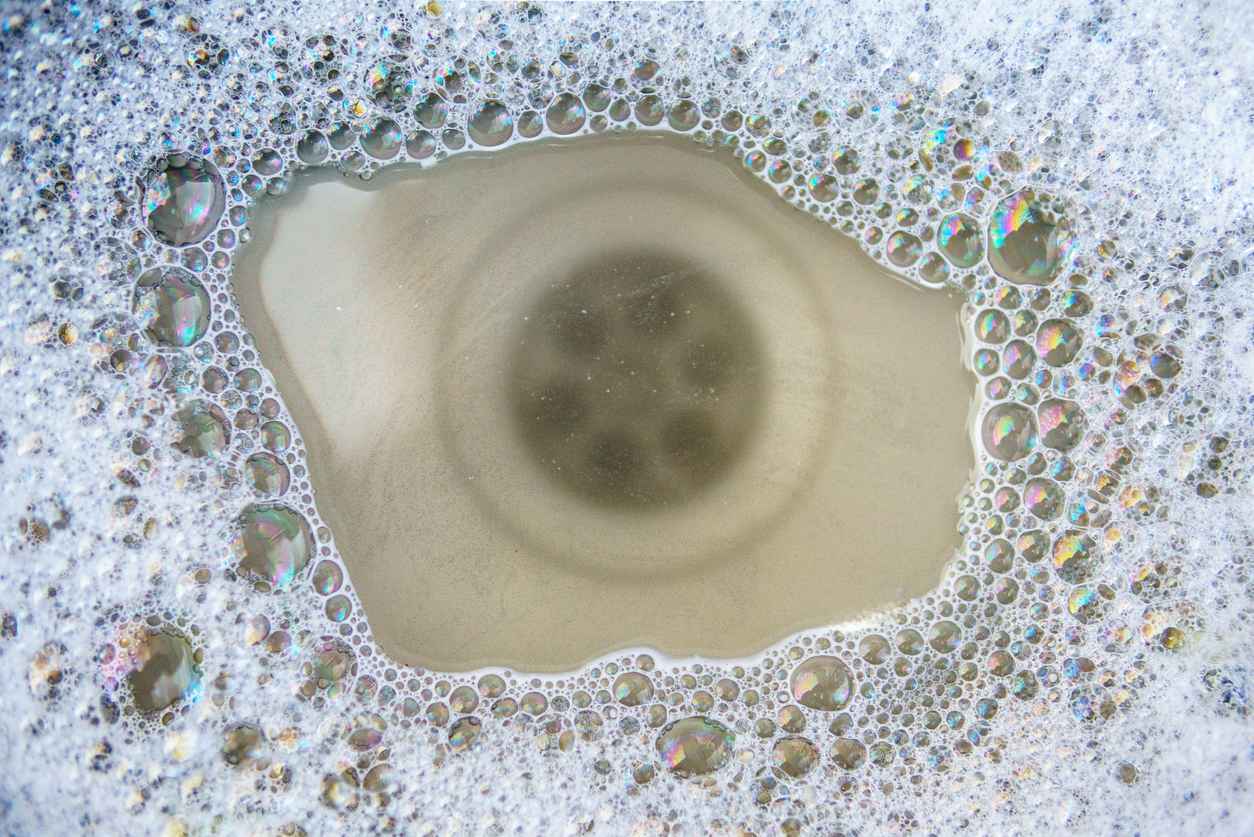
Yes, hydro jetting can be worth it for Northern Kentucky homes with recurring drain clogs because it cleans the inside of the pipe more thoroughly than basic snaking. Traditional drain cleaning may break through a blockage, but hydro jetting uses high-pressure water to clear grease, sludge, soap scum, sediment, and some root buildup from the pipe walls.
A clogged drain is annoying. A drain that clogs repeatedly is a sign that something deeper may be happening within your plumbing system. If the same sink, shower, toilet, floor drain, or main sewer line keeps backing up, the issue may not be a one-time blockage. It may be a buildup inside the pipe.
Northern Kentucky homeowners often deal with drain problems caused by grease, hair, soap scum, aging pipes, tree roots, mineral buildup, and heavy household use. A standard drain snake can help with some clogs, but it may not fully clean the pipe. That is where hydro jetting can make a difference.
In this guide, we’ll explain when hydro jetting makes sense, how it compares to traditional drain cleaning, what warning signs homeowners should watch for, and when to call Jolly Heating, Air, Plumbing, Electric for professional drain service.
What Is Hydro Jetting?
Hydro jetting is a professional drain cleaning method that uses high-pressure water to clear debris from the inside of drain and sewer lines. Instead of only pushing through a clog, hydro jetting helps wash buildup off the pipe walls.
Hydro jetting can help remove:
- Grease
- Sludge
- Soap scum
- Hair buildup
- Food residue
- Sediment
- Mineral buildup
- Small roots
- Debris inside the pipe
- Long-term drain buildup
This makes hydro jetting especially useful for recurring clogs. If buildup is coating the inside of the pipe, simply opening a small path through the blockage may only solve the problem temporarily.
How Is Hydro Jetting Different From Snaking a Drain?
Traditional drain snaking uses a cable or auger to break through a clog. It is often effective for simple blockages, especially when the blockage is near the drain opening.
Hydro jetting uses pressurized water to clean the pipe more completely. It does not just poke a hole through the blockage. It helps flush the buildup out of the line.
Snaking may be better when:
- The clog is minor.
- The problem is isolated to one fixture.
- The blockage is near the drain opening.
- The pipe needs a gentler first approach.
- The issue is a one-time clog.
Hydro jetting may be better when:
- The same drain keeps clogging.
- Multiple drains are slow.
- Grease buildup is likely.
- Sewer odors are present.
- Water backs up into tubs or floor drains.
- A camera inspection shows buildup.
- Traditional snaking only works temporarily.
Both methods have a place. The right choice depends on the cause, location, and condition of the clog.
Why Do Drain Clogs Keep Coming Back?
Recurring drain clogs usually mean the pipe still has buildup or damage that was not fully corrected. A drain snake may restore flow, but if grease, sludge, or roots remain inside the line, the clog can return.
Common causes of recurring clogs include:
- Grease coating kitchen drain lines
- Hair and soap scum in bathroom drains
- Food scraps collecting in pipes
- Flushable wipes blocking sewer lines
- Tree roots entering underground pipes
- Sediment collecting in older drains
- Mineral buildup narrowing the pipe
- Pipe bellies or sagging sections
- Cracked or shifted sewer lines
- Poor pipe slope
- Heavy household water use
If the same problem recurs after repeated drain cleaning, it is time to look more deeply. A camera inspection or hydro jetting service may reveal what basic cleaning was missed.
When Do Northern Kentucky Homes Need Hydro Jetting?
Hydro jetting is most useful when clogs recur, are widespread, or are caused by buildup inside the line. It is often recommended after a plumber confirms that the pipe can safely handle the pressure.
Northern Kentucky homeowners may need hydro jetting if:
- The same drain clogs repeatedly.
- Multiple drains are slow at once.
- Kitchen sink clogs keep coming back.
- Sewer smells are coming from drains.
- Toilets gurgle when other fixtures run.
- Water backs up into tubs or showers.
- Basement floor drains overflow.
- Traditional snaking has not solved the issue.
- Tree roots are affecting the sewer line.
- Grease or sludge buildup is suspected.
- The home has older drain lines.
- A sewer camera reveals buildup on the pipe wall.
Hydro jetting is not always the first step for every clog, but it is often the better option when the problem keeps returning.
Is Hydro Jetting Good for Kitchen Drain Clogs?
Yes, hydro jetting can be very effective for recurring kitchen drain clogs. Kitchen lines often collect grease, oils, food particles, soap residue, and sludge over time. Even when grease goes down as a liquid, it can cool and stick to the inside of the pipe.
Signs of grease buildup include:
- Kitchen sink draining slowly
- Gurgling after using the sink
- Bad odors from the drain
- Clogs after heavy cooking
- Water backing up into the sink
- Drain problems returning after snaking
- Garbage disposal backups
A drain snake may open a channel through grease, but hydro jetting can clean more of the pipe wall. That makes it a better long-term option for kitchen lines that keep clogging.
To reduce future grease clogs, homeowners should avoid pouring fats, oils, and grease down the drain. Wiping pans before washing and using sink strainers can also help.
Can Hydro Jetting Clear Tree Roots?
Hydro jetting can clear small roots and root buildup from sewer lines, but it may not permanently solve root intrusion if the pipe is cracked, separated, or damaged. Roots enter sewer lines because they are drawn to moisture. Once roots find an opening, they can grow back unless the pipe issue is repaired.
Hydro jetting can help by:
- Cutting through smaller roots
- Flushing root debris from the line
- Restoring better drainage
- Clearing the pipe for camera inspection
- Reducing the risk of immediate backup
However, if roots are entering through broken joints or cracked pipes, sewer repair may eventually be needed. Hydro jetting can clear the blockage, but it cannot seal the opening where roots entered.
Is Hydro Jetting Safe for Older Pipes?
Hydro jetting can be safe for many plumbing systems, but pipe condition matters. Older or damaged pipes should be inspected before high-pressure cleaning is used.
Hydro jetting may not be recommended if pipes are:
- Severely corroded
- Cracked
- Collapsed
- Brittle
- Poorly connected
- Misaligned
- Already leaking
- Made from fragile materials
- Damaged by roots or soil movement
That is why professional inspection is important. A plumber may recommend a sewer camera inspection before hydro jetting to check whether the line is strong enough and to locate the problem.
If the pipe is too damaged, repair may be needed before or instead of hydro jetting.
What Are the Signs You Need More Than Basic Drain Cleaning?
Some drain problems point to a deeper issue than a simple clog. These signs are especially important if they happen more than once.
You may need hydro jetting or a sewer inspection if you notice:
- Multiple slow drains
- Repeated clogs in the same fixture
- Toilets bubbling or gurgling
- Sewer odors in the home
- Water backing up into tubs or showers
- Floor drains overflowing
- Clogs after laundry use
- Kitchen drains clogging repeatedly
- Plunging only helps temporarily
- Drain cleaner does not solve the issue
- Backups during heavy water use
- Drain issues returning after service
One slow drain may be a local problem. Several slow drains may indicate a problem with the main sewer line.
Does Hydro Jetting Help Prevent Future Clogs?
Hydro jetting can help reduce future clogs by cleaning buildup from the pipe walls. This gives water and waste more room to move through the line. It is especially helpful for pipes that have collected years of grease, sludge, or debris.
Hydro jetting may help prevent:
- Grease-related kitchen clogs
- Sludge buildup
- Repeated slow drains
- Sewer line backups
- Odors from trapped debris
- Hair and soap scum accumulation
- Partial blockages that return quickly
It is not a permanent fix for broken pipes, poor pipe slope, or major root intrusion. But when buildup is the main cause, hydro jetting can provide a more complete cleaning than traditional snaking.
What Happens During a Hydro Jetting Service?
A professional hydro jetting service usually starts with a drain evaluation. In many cases, a camera inspection may be used to identify the clog, inspect the pipe, and confirm that hydro jetting is safe.
The process may include:
- Locating the affected drain or sewer line
- Inspecting the line when needed
- Checking pipe condition
- Selecting the right jetting nozzle
- Sending high-pressure water through the line
- Flushing buildup out of the pipe
- Confirming improved drainage
- Recommending repairs if pipe damage is found
Hydro jetting should always be done with professional equipment. It is not a DIY drain cleaning method.
Why Should Homeowners Avoid Chemical Drain Cleaners?
Chemical drain cleaners may seem convenient, but they often do not solve recurring clogs. They can also create risks for pipes, fixtures, and anyone working on the drain later.
Chemical drain cleaners may:
- Damage older pipes
- Fail to reach deep clogs
- Leave chemicals sitting in the line
- Create heat inside the drain
- Harm finishes around fixtures
- Provide only temporary results
- Make professional service more hazardous
- Mask a larger sewer line issue
For recurring clogs, it is better to identify the cause and choose the right cleaning method.
How Can Northern Kentucky Homeowners Prevent Recurring Clogs?
Good drain habits can help reduce clogs after professional cleaning. Prevention is especially important in kitchens, bathrooms, laundry rooms, and main sewer lines.
Homeowners can help by:
- Keeping grease out of kitchen drains
- Using drain screens in showers and tubs
- Avoiding flushable wipes
- Keeping paper towels out of toilets
- Running enough water during disposal use
- Cleaning hair from drain covers
- Addressing slow drains early
- Scheduling service for repeated clogs
- Watching for sewer odors
- Monitoring tree roots near sewer lines
- Avoiding chemical drain cleaners
Recurring clogs should not be treated as normal. They usually mean something needs professional attention.
Choose Hydro Jetting When Recurring Clogs Keep Coming Back
Hydro jetting can be a smart solution for Northern Kentucky homes with recurring drain clogs, grease buildup, sludge, sewer odors, or backups that return after traditional drain cleaning. While basic snaking may work for simple clogs, hydro jetting provides a deeper clean when the buildup inside the pipe is the real problem.
If your drains keep slowing down, backing up, or clogging in the same places, Jolly Heating, Air, Plumbing, Electric can help. Contact us today to find the cause of the clog and determine whether hydro jetting is the right solution for your home.
Call Us. We’ll Take Care of It.
Heating, air, plumbing, electric, drains, or water cleanup, we’ll figure out what’s going on and get it handled without making it complicated